
What is EHS? Understanding Environmental, Health, and Safety in the Workplace
Date: 6/18/2025 12:00:00 AM
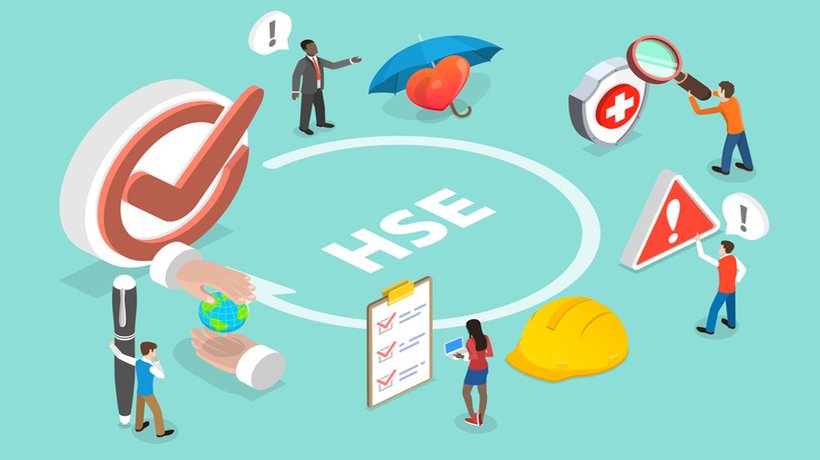
Ensuring environmental, health, and safety (EHS) compliance is a fundamental responsibility for businesses worldwide. Effective EHS management helps organizations mitigate risks, comply with regulations, and optimize operational efficiency. In this article, we explore the significance of EHS, regulatory requirements, and how Advantech’s AI-driven EHS system can streamline compliance and enhance sustainability.
What is EHS?
EHS stands for Environmental, Health, and Safety, which encompasses regulations, standards, and practices that organizations must follow to protect employees, the environment, and public health. Different industries have varying EHS requirements, but the core objective remains the same: ensuring safe working conditions and minimizing environmental impact.
Environment:
Environmental protection within EHS focuses on reducing pollution, managing waste, and optimizing resource usage. Industries must comply with regulations such as air and water quality standards, hazardous waste disposal guidelines, and greenhouse gas (GHG) emissions reporting.
Health:
Health regulations within EHS ensure employee well-being by minimizing exposure to hazardous substances, maintaining ergonomic workplaces, and implementing wellness programs. Proper health measures lead to increased productivity and reduced medical costs.
Safety:
Safety in EHS involves preventing workplace injuries and accidents through risk assessments, protective equipment, and safety training. Compliance with safety standards enhances worker security and minimizes liabilities.
Why is EHS Important? Learn 6 Key Benefits
A robust EHS program benefits businesses by ensuring legal compliance, reducing workplace incidents, and improving overall efficiency. Key advantages include:
Compliance with Regulations:
Organizations must adhere to various national and international EHS regulations to avoid legal consequences. Proper compliance ensures smooth operations and protects businesses from penalties. Additionally, staying up to date with evolving regulatory requirements can help companies proactively implement best practices and avoid potential litigation or operational disruptions.
Reducing Risks:
Effective EHS management reduces workplace hazards, preventing injuries, illnesses, and environmental damage. This minimizes operational disruptions and enhances employee safety. Furthermore, a proactive risk management strategy leads to lower insurance costs, improved productivity, and a safer work environment, which fosters employee satisfaction and retention.
Enhancing Corporate Reputation:
Demonstrating commitment to EHS strengthens corporate social responsibility (CSR) efforts, improving brand reputation and fostering stakeholder trust. Companies with strong EHS programs are more likely to attract investors, retain customers, and enhance employee morale. Additionally, a positive public image can serve as a competitive advantage in industries where sustainability and ethical business practices are valued.
Increasing Operational Efficiency:
A well-implemented EHS program optimizes resource utilization, reduces waste, and enhances overall operational efficiency. By minimizing workplace incidents and environmental risks, businesses can avoid costly downtimes, improve workflow, and enhance long-term sustainability.
Promoting Employee Well-being:
Employees are more likely to be engaged and productive in a workplace that prioritizes health and safety. Providing a secure and hazard-free environment fosters a culture of well-being, reduces absenteeism, and enhances job satisfaction. Organizations that invest in employee health initiatives, such as wellness programs and ergonomic improvements, often experience higher workforce motivation and performance.
Ensuring Business Continuity:
Environmental and safety incidents can significantly impact business operations. Implementing a strong EHS strategy helps organizations prepare for emergencies, reduce liabilities, and ensure continuity in the face of unforeseen challenges. Business continuity planning integrated with EHS measures can mitigate risks associated with natural disasters, supply chain disruptions, and regulatory changes.
By prioritizing EHS, organizations not only fulfill legal and ethical responsibilities but also create a safer, more sustainable, and efficient workplace that benefits employees, stakeholders, and the broader community.
EHS Regulations & Compliance in the U.S
Several agencies govern EHS regulations in the U.S., ensuring workplace safety and environmental protection. Businesses must comply with these regulations to maintain operational legality.
OSHA (Occupational Safety and Health Administration):
OSHA sets and enforces safety standards to protect workers from occupational hazards. Companies must comply with guidelines on workplace conditions, hazard communication, and employee training. OSHA also conducts workplace inspections and provides resources to help businesses maintain compliance with safety standards.
EPA (Environmental Protection Agency):
The EPA regulates environmental protection by enforcing laws that govern air and water quality, hazardous waste management, pollution control, and chemical safety. Key regulations include the Clean Air Act, Clean Water Act, and Resource Conservation and Recovery Act (RCRA), which set standards for emissions, contamination prevention, and waste disposal. Businesses must comply with EPA guidelines to operate sustainably and minimize environmental impact..
NIOSH(National Institute for Occupational Safety and Health):
NIOSH conducts research and provides recommendations on occupational health and safety, while state-level agencies enforce region-specific EHS regulations that may be more stringent than federal requirements.
How to Manage EHS programs? 5 Key Strategies
Implementing an effective EHS program requires a structured approach, including risk assessment, training, and monitoring. A well-designed strategy helps businesses create a safe, sustainable, and compliant work environment.
Implementing Employee Training Programs:
Regular training ensures employees understand safety protocols, emergency procedures, and compliance requirements. Using interactive methods like workshops, digital tools, and hands-on simulations improves knowledge retention and engagement. Periodic assessments help refine training programs, reducing workplace incidents and enhancing operational efficiency. A well-trained workforce fosters a culture of safety and responsibility. Additionally, training should be tailored to specific roles, ensuring that workers in high-risk environments receive targeted guidance on hazard prevention and mitigation
Establishing Emergency Preparedness Plans:
Organizations must develop comprehensive response strategies for fires, chemical spills, and other emergencies to minimize risks and ensure business continuity. This includes:
- Establishing clear emergency protocols.
- Regular evacuation drills conducting regular drills.
- Equipping employees with safety training.
- Utilizing advanced monitoring systems.
- Real-time communication systems.
A proactive approach enhances workplace safety and mitigates potential damages during critical situations and creates contingency plans to manage disruptions effectively.
Utilizing IoT and AI for Monitoring:
Real-time data analytics and IoT monitoring enhance hazard detection, improve energy efficiency, and ensure regulatory compliance. By leveraging AI-driven insights, businesses can have benefits include:
- Proactively identify risks.
- Optimize resource consumption.
- Maintain workplace safety.
This data-driven approach minimizes environmental impact and operational disruptions while promoting sustainability and efficiency. Automated reporting systems can also streamline compliance documentation, reducing administrative burdens and improving decision-making processes.
Conducting Regular Audits and Inspections:
Routine audits and inspections help organizations identify gaps in their EHS programs and ensure continuous improvement. Internal and external assessments provide insights into compliance adherence, workplace safety practices, and environmental management strategies. Regular evaluations help businesses proactively address potential risks, implement corrective actions, and maintain a culture of accountability and safety.
Promoting a Safety-First Culture:
Encouraging employee participation and leadership in EHS initiatives fosters a proactive approach to workplace safety.
- Establishing EHS committees.
- Recognizing outstanding safety practices.
- Integrating EHS considerations into corporate values.
Open communication channels allow employees to report hazards and suggest improvements, further strengthening the effectiveness of EHS programs.
Implement an Effective EHS Program with Advantech Software
Investing in Advantech’s AI-powered EHS solution is the most efficient way to achieve comprehensive EHS compliance, which enables businesses to enhance corporate resilience, sustainability, and operational excellence. Advantech’s suite of applications which developing for EHS program includes:
FMS (Facilities Management & Sustainability):
FMS system of Advantech leverages IoT technology to visualize energy consumption, track key indicators, and generate reports. It helps facility managers detect abnormal energy usage, optimize resources, and improve sustainability efforts.
Maintenance:
Advantech’s Maintenance Application designed to enhance machine reliability and reduce downtime. It provides predictive maintenance insights, automates repair scheduling, and streamlines technician workflows, leading to better asset management and increased operational efficiency.
RTM (Real-Time Monitoring):
WISE-IoT’s RTM system enables real-time monitoring of production equipment and energy consumption. It supports low-code setup and dashboard functionality to display machine status in real time which also improves data accuracy.
Future-proof your operations today with Advantech’s AI-driven EHS management system.
In Conclusion, Advantech’s EHS system offers three key features that make it worth trying:
- IoT-enabled real-time monitoring to detect inefficiencies and incidents.
- Predictive analytics for equipment optimization and safety improvements.
- Automated compliance tracking to streamline regulatory adherence.
For more information on how Advantech’s solutions can support your workplace, visit Advantech's website.
Contact Us
Advantech is dedicated to supporting your company to build a safe environment and increase management efficiency. Our experts are here to guide you through each step of implementing effective, sustainable solutions. Please reach out to our team at Contact Us.
Join our community to see more industry insight:
.png)
