
The Ultimate Guide to EHS in the Manufacturing Industry
Date: 9/10/2025 12:00:00 AM
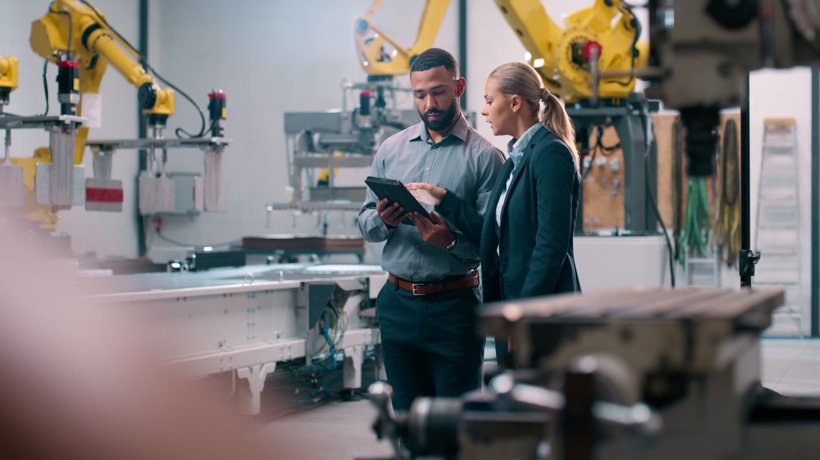
As manufacturing industries evolve in the age of Industry 4.0 and sustainable development, Environmental, Health, and Safety (EHS) programs are no longer just about regulatory compliance. They are strategic tools that help manufacturers mitigate risk, protect employees, and meet ESG goals. This article explores the role of EHS in manufacturing, its key benefits, and real-world success stories supported by Advantech solutions.
What Is EHS in Manufacturing?
In manufacturing, EHS (Environmental, Health, and Safety) refers to the comprehensive set of policies, practices, and systems aimed at ensuring environmental protection, employee health, and workplace safety throughout all stages of production. It plays a pivotal role in minimizing risks, promoting sustainability, and ensuring smooth, compliant operations in a highly dynamic and potentially hazardous environment.EHS in the Industrial Context
EHS in manufacturing covers a wide spectrum: from managing emissions and waste to ensuring proper machine safety and employee well-being. It spans facility layout, equipment use, emergency response plans, and employee training.
Common Regulations (OSHA, EPA, ISO 45001, ISO 14001)
Manufacturers must comply with a variety of international and national regulations to ensure workplace safety and environmental responsibility:
- OSHA (Occupational Safety and Health Administration) : U.S.-based regulatory body setting workplace safety standards, such as machinery safeguarding, hazardous material handling, and employee training requirements.
- EPA (Environmental Protection Agency) : v Regulates air and water emissions, waste disposal, and chemical safety, helping manufacturers limit their environmental impact.
- ISO 45001: An international standard for occupational health and safety management systems, focused on proactively reducing work-related risks and enhancing employee well-being.
- ISO 14001: Provides a structured framework for environmental management systems, supporting efforts in energy conservation, waste reduction, and sustainable resource use
In manufacturing, these regulations guide the development of EHS programs and policies, ensuring that companies meet legal requirements while improving operational sustainability and worker safety. Many manufacturers also integrate these standards into their internal audits and digital monitoring platforms to streamline compliance and continuously improve safety performance.
Additional Considerations
In addition to regulatory compliance, manufacturers should consider the following critical EHS aspects :
- Hazardous Material Handling : Ensure safe storage, labeling, and disposal of chemicals, especially under REACH (Registration, Evaluation, Authorization, and Restriction of Chemicals) and RoHS (Restriction of Hazardous Substances) directives.
- Air and Water Pollution Control : Monitor emissions and effluents to meet local and international environmental quality standards.
- Worker Exposure Limits : Assess and mitigate risks of exposure to noise, particulates, and hazardous substances.
- Emergency Preparedness and Response : Establish response protocols for fire, chemical spills, or equipment failure, including regular drills and employee training.
- Supply Chain Responsibility : Ensure that EHS practices are followed not only internally but also across suppliers and logistics partners.
Benefits of a Strong EHS Program in Manufacturing
Reduced Injuries and Downtime
A well-implemented EHS program identifies and mitigates potential hazards before they cause incidents, helping to minimize accidents, reduce unplanned downtime, and maintain consistent productivity.Improved Employee Morale and Retention
Safe, healthy workplaces foster a culture of trust and respect, which improves job satisfaction, reduces absenteeism, and increases retention of skilled labor.Cost Savings from Incident Prevention
Stronger Brand Reputation
Companies committed to EHS are seen as responsible and trustworthy by customers, investors, and the public, boosting market reputation and stakeholder confidence.Better Compliance and Risk Management
An effective EHS strategy ensures that manufacturing operations remain compliant with evolving regulations and industry standards, reducing the risk of violations and penalties.
Data-Driven Decision Making
With digital EHS tools, companies can collect and analyze safety and environmental data to drive continuous improvement, optimize resource usage, and make informed strategic decisions.
Enhanced ESG Performance
Strong EHS programs support broader environmental, social, and governance (ESG) initiatives by reducing emissions, promoting ethical labor practices, and improving corporate transparency.
Therefore, we recommend that manufacturers adopt a modular EHS platform that not only ensures regulatory compliance but also drives sustainability and operational resilience.
👉 Learn more about Advantech’s EHS solutions to future-proof your factory operations.
Case Studies: EHS Success Stories in Manufacturing
Case 1:Smart EHS and Energy Optimization at PCB Manufacturer- Zhen Ding Tech. Group
Zhen Ding Tech. Group, a leading global PCB manufacturer, implemented Advantech's EHS, IoTSuite, and iEMS solutions in its new Shenzhen plant. The EHS platform centralized safety data from over 10 subsystems—such as fire protection, machinery, and environment systems—into one dashboard for real-time monitoring and incident alerts. The system uses AI to suggest emergency response actions, enhancing factory safety. Additionally, Zhen Ding adopted the Compressor I.App to intelligently manage air compressors using AI energy-saving algorithms, cutting unnecessary electricity use. The outcome: NT$3 million saved annually at just two stations, with projected group-wide savings reaching NT$20 million per year.
Click to see the complete article!
Case 2: Smart Energy Management and Sustainability at Gigatek
To meet sustainability goals and manage energy use more effectively, Gigatek Inc. partnered with its subsidiary, S&E Technology Co., Ltd., to implement Advantech’s iFactory EHS solution. This enabled the creation of a smart energy management system (EMS) at its factory.Launched in 2017, the project focused first on high-energy-consuming equipment like compressors and machinery, followed by infrastructure such as switchboards and pumps. With Advantech’s digital meters and WebAccess software, S&E Technology collected and analyzed energy data, which later transitioned to the more advanced iFactory EHS platform. The upgraded system provided real-time data visualization and features like carbon asset management and energy forecasting.
The EMS generated department-specific energy reports, encouraging proactive energy-saving habits. This helped Gigatek cut annual electricity costs by about US$25,700 and improve equipment performance by identifying inefficiencies early.
Click here to see the complete article!
The Evolving Role of EHS in Smart Manufacturing
As factories accelerate toward digital transformation, EHS systems are evolving from basic compliance tools into comprehensive platforms that empower manufacturers to enhance workplace safety, optimize energy efficiency, and meet ESG objectives. Advantech’s EHS solution leverages IoT, AI, and cloud technologies to deliver real-time visibility, predictive insights, and automated management across key facility operations.The EHS platform unifies data from critical subsystems—such as fire detection, HVAC, environmental monitoring, and energy metering—into a centralized dashboard for immediate situational awareness and anomaly detection. It supports mobile alerts, digital signage, and customizable interfaces, enabling swift responses to potential safety or energy issues.
Built on a modular architecture, the platform integrates seamlessly with the following advanced applications:
- FMS (Facilities Management & Sustainability) : FMS of WISE-IoT collects and visualizes real-time data on energy consumption, carbon emissions, and facility status, enabling enterprises to monitor ESG performance, detect inefficiencies, and coordinate sustainability efforts across multiple sites.
- Maintenance : Through predictive analytics, this module identifies early signs of equipment failure and automates repair scheduling. By optimizing maintenance workflows, manufacturers can extend asset life cycles, minimize downtime, and ensure operational reliability.
- RTM (Real-Time Monitoring) : Advantech’s RTM module delivers instant insights into equipment status, production line health, and environmental conditions. Featuring a low-code interface and customizable dashboards, it accelerates deployment while enhancing data accuracy and responsiveness.
Contact Us
Advantech is dedicated to supporting your company to build a safe environment and increase management efficiency. Our experts are here to guide you through each step of implementing effective, sustainable solutions. Please reach out to our team at Contact Us.
Join our community to see more industry insight:
.png)
