Low Carbon Energy: A Sustainable Solution for the Future
Date: 5/7/2025 12:00:00 AM
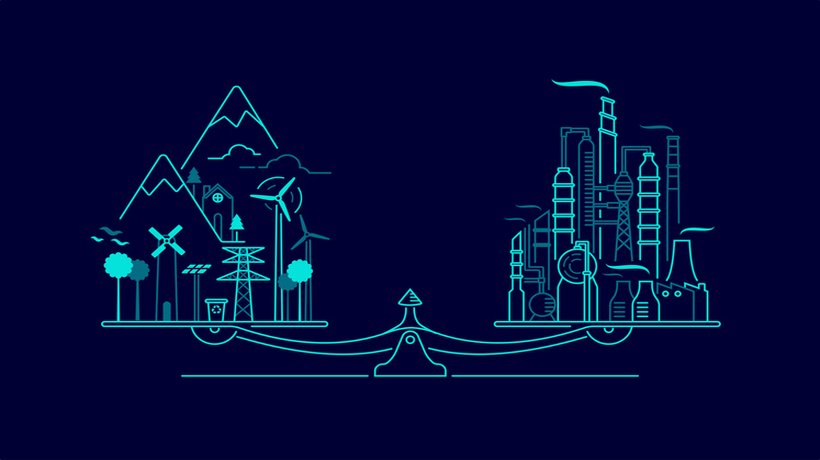
Low-carbon energy has become the goal of global efforts. To address climate change, switching to sustainable energy can reduce greenhouse gas emissions and is crucial to ensuring a cleaner and healthier planet. WISE-IoT takes you through the concept of low-carbon energy, its various forms, and its importance in building a sustainable future while addressing challenges and providing solutions.
What Is Low-Carbon Energy?
Low-carbon energy refers to energy sources that produce minimal greenhouse gas emissions (GHGs) during their life cycle, including production, operation, and consumption. Unlike traditional fossil fuels such as coal, oil, and natural gas, this approach prioritizes sustainability and environmental conservation by minimizing the carbon footprint associated with energy use. For instance, solar, wind, hydroelectric, nuclear power, and geothermal energy are the common low-carbon energy sources used in recent years.
Switching to low-carbon energy is vital to combat the adverse effects of climate change, mitigate air pollution, and preserve natural ecosystems. It represents a paradigm shift from reliance on finite resources to adopting renewable and cleaner alternatives.
What Types of Low-Carbon Energy Are Available?
Low Carbon Energy 1: Solar Energy
Solar energy captures sunlight and converts it into electricity or heat using photovoltaic (PV) cells or solar thermal systems.
- How it Works: PV cells, made from semiconductor materials, generate electricity when exposed to sunlight (the photovoltaic effect). Solar thermal systems, on the other hand, use mirrors or lenses to concentrate sunlight, producing heat that can power turbines or be stored for later use.
- Advantage: The sun provides inexhaustible energy, making solar energy highly sustainable. Although initial setup costs can be high, solar power is becoming increasingly affordable due to no fuel costs and minimal maintenance. Additionally, it is suitable for a variety of applications, from residential rooftops to large solar farms.
- Challenge: Solar panels are less efficient on cloudy days or at night when there is no storage system. Additionally, large solar power plants may require large amounts of space and may compete with agriculture or ecosystems.
Low Carbon Energy 2: Wind Power
Wind power transforms kinetic energy from wind into electricity using turbines.
- How it Works: Wind turbines, either onshore or offshore, capture wind energy with large blades. These blades rotate a generator, producing electricity.
- Advantages: Modern wind turbines are highly efficient and can produce significant power even at low wind speeds. Additionally, it supports both small-scale local projects and large-scale wind farms. Once operational, wind turbines produce no greenhouse gas emissions.
- Challenges: Energy production depends on wind availability, requiring integration with energy storage or grid systems. Besides, turbines can affect bird and bat populations and may change local aesthetics.
Low Carbon Energy 3: Hydroelectric Power
Hydroelectric energy generates electricity by harnessing the flow of water through turbines.
- How it Works: Dams or river systems are used to channel water through turbines. The force of moving water spins the turbines, converting kinetic energy into electricity.
- Advantages: Hydropower provides a consistent and steady energy supply, often acting as a base-load energy source. Reservoirs associated with dams can store water for irrigation or drinking.
- Challenges: Large dams can disrupt aquatic ecosystems, displace communities, and alter river flow. Building infrastructure requires high initial costs: significant investment, though operating costs are low.
Low Carbon Energy 4: Geothermal energy
Geothermal energy uses heat from beneath the Earth's crust to generate power or provide direct heating.
- How it Works: Wells are drilled into geothermal reservoirs to bring hot water or steam to the surface, which drives turbines to produce electricity. In direct-use systems, geothermal heat is used for heating buildings or industrial processes.
- Advantages: Unlike solar or wind energy, geothermal energy is not weather-dependent and can provide 24/7 power. Once established, geothermal plants have minimal fuel or maintenance costs.
- Challenges: Effective only in regions with significant geothermal activity, like volcanic or tectonic hotspots. Exploration and development of geothermal fields can be expensive and carry a risk of failure.
Low Carbon Energy 5: Nuclear Power
Nuclear energy generates power through nuclear fission, splitting atoms (typically uranium or plutonium) to release immense heat.
- How it Works: In a nuclear reactor, fission reactions produce heat to create steam, which drives turbines and generates electricity.
- Advantages: Nuclear power has high energy output; a single nuclear power plant can produce large amounts of energy, meeting industrial and regional needs. During operation, nuclear power emits virtually no greenhouse gases.
- Challenges: Nuclear waste like spent fuel rods and other radioactive materials require secure, long-term storage solutions. Besides, it has safety concerns like accidents, which can have catastrophic consequences.
Summary Table of Low Carbon Energy Sources
| Energy Source |
Advantages |
Challenges
|
| Solar Energy |
Renewable, scalable, low operational costs |
Weather dependency, high land use |
| Wind Power |
Efficient, scalable, zero emissions |
Variable output, potential ecological impacts |
| Hydroelectric |
Reliable, dual-use, long lifespan |
Environmental impact, expensive infrastructure
|
| Geothermal |
24/7 power, low operational costs |
Geographical limitations, drilling costs
|
| Nuclear |
High output, minimal emissions |
Waste management, safety concerns |
Why Is It Important to Shift to Low-Carbon Energy?
Individuals and Households
Switching to renewable energy sources like rooftop solar panels reduces reliance on conventional power grids, leading to significant energy savings over time. Cleaner energy use also contributes to better air quality, directly benefiting public health by reducing the pollutants that cause respiratory and cardiovascular issues. Moreover, households that adopt low-carbon energy actively participate in global climate action, aligning with sustainability goals to ensure a healthier planet for future generations.
Enterprises
Governments worldwide are introducing firm carbon reduction regulations, and adopting renewable energy sources allows companies to meet these requirements. While the upfront investment in low-carbon technologies may seem substantial, the operational savings over time are significant. Businesses can reduce energy expenditures while contributing to environmental goals. Furthermore, demonstrating a commitment to sustainability boosts brand reputation, helping organizations attract eco-conscious consumers and gain a competitive edge in the marketplace.
Challenges in Switching to Low-Carbon Energy
Updating Power Supply Infrastructure
Traditional energy grids are designed for centralized systems reliant on fossil fuels. Extensive upgrades are required to integrate renewable sources like solar and wind. Modernizing these grids involves installing smart systems that manage fluctuating energy inputs and distribute power efficiently. Without these updates, the scalability of low-carbon energy sources remains limited.
Purchasing Electricity Storage Facilities
Solar and wind energy, while clean and renewable, are intermittent by nature. Solar panels only generate electricity daily, and wind turbines depend on weather conditions. Investing in advanced energy storage systems, such as lithium-ion batteries or other emerging technologies, is crucial for ensuring a consistent power supply. However, these systems come with high costs and require ongoing maintenance.
High Initial Costs
Another obstacle is the financial aspect. High initial costs for installing renewable energy solutions, like solar panels, wind turbines, or geothermal systems, can deter individuals and businesses. Government incentives, tax credits, and subsidies are available in many regions to alleviate these costs, particularly for small businesses or households with limited budgets. Additionally, long-term benefits, such as reduced energy bills, may not be immediately apparent, which makes it harder to justify the initial expense.
Let Advantech Plan Low Carbon Energy Solutions For You
ECOWatch
ECOWatch relies on the WISE-IoT industrial cloud platform to monitor and manage electricity, water, gas, heat, and other resources. The system integrates seamlessly with the building infrastructure, coordinating the energy use of equipment, personnel, and systems. Features include instant alerts, energy anomaly diagnostics, and KPI tracking to identify inefficiencies and implement targeted optimization. Through data-driven insights and predictive analytics, ECOWatch enables businesses to improve energy efficiency, reduce waste, and align operations with low-carbon goals, making it an essential tool for sustainable energy management.
PHM (Prognostics and Health Management)
Solar and wind energy, while clean and renewable, are intermittent by nature. Solar panels only generate electricity daily, and wind turbines depend on weather conditions. Investing in advanced energy storage systems, such as lithium-ion batteries or other emerging technologies, is crucial for ensuring a consistent power supply. However, these systems come with high costs and require ongoing maintenance.
HVAC
HVAC solution utilizes advanced technologies such as artificial intelligence, the Internet of Things, cloud computing, and digital twins to ensure real-time monitoring of HVAC equipment and capture critical data such as operating parameters and energy consumption. It identifies inefficiencies and abnormalities through custom alert rules and integrates notification services for quick response. The system uses intelligent algorithms to diagnose energy efficiency, balancing safety and performance instantly. Through AI-driven policy optimization and benchmarking, the HVAC solution provides actionable insights to improve system efficiency and achieve significant energy savings, making it a key tool for enterprises to transform into low-carbon operations.
Contact Us
Start your journey toward sustainability today. Contact Advantech to explore energy management solutions that drive economic value and environmental impact. Visit Advantech's energy management solutions page or reach out via contact form for a personalized consultation.